From an idea to a finished carving
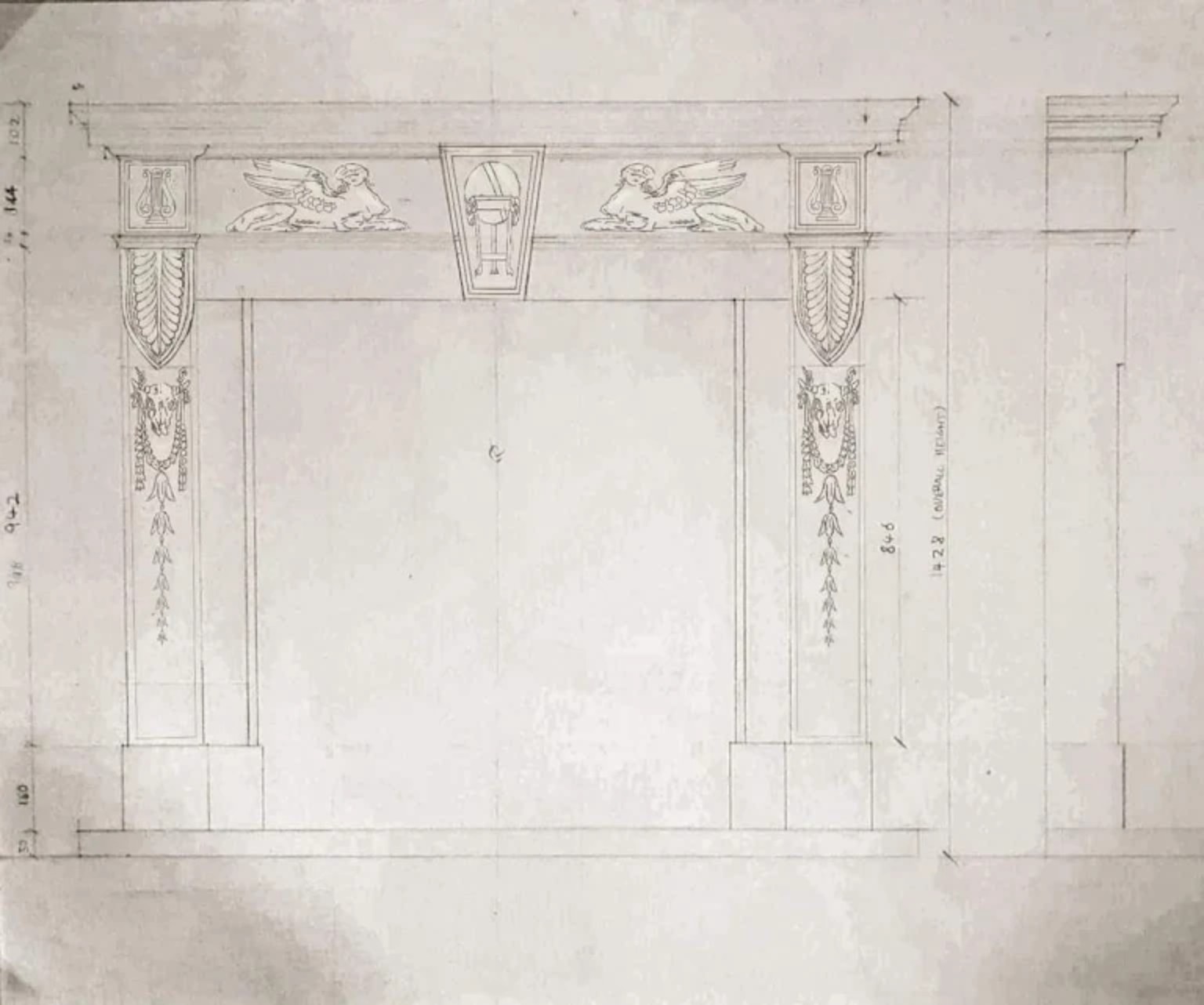
Every commission begins with a conversation. These workshop photographs show some of the stages a piece may pass through, from drawings and models to carving and installation. The process is shaped around the individual project.
Follow the monumental lion commission from clay model to finished sculpture.
1. Exploring your idea
Tell me what you have in mind, where it will go and any preferred timescale. Photographs, rough dimensions and a budget help us explore the possibilities. Drawings help develop the design, and we agree the scope, price and timescale before carving begins.
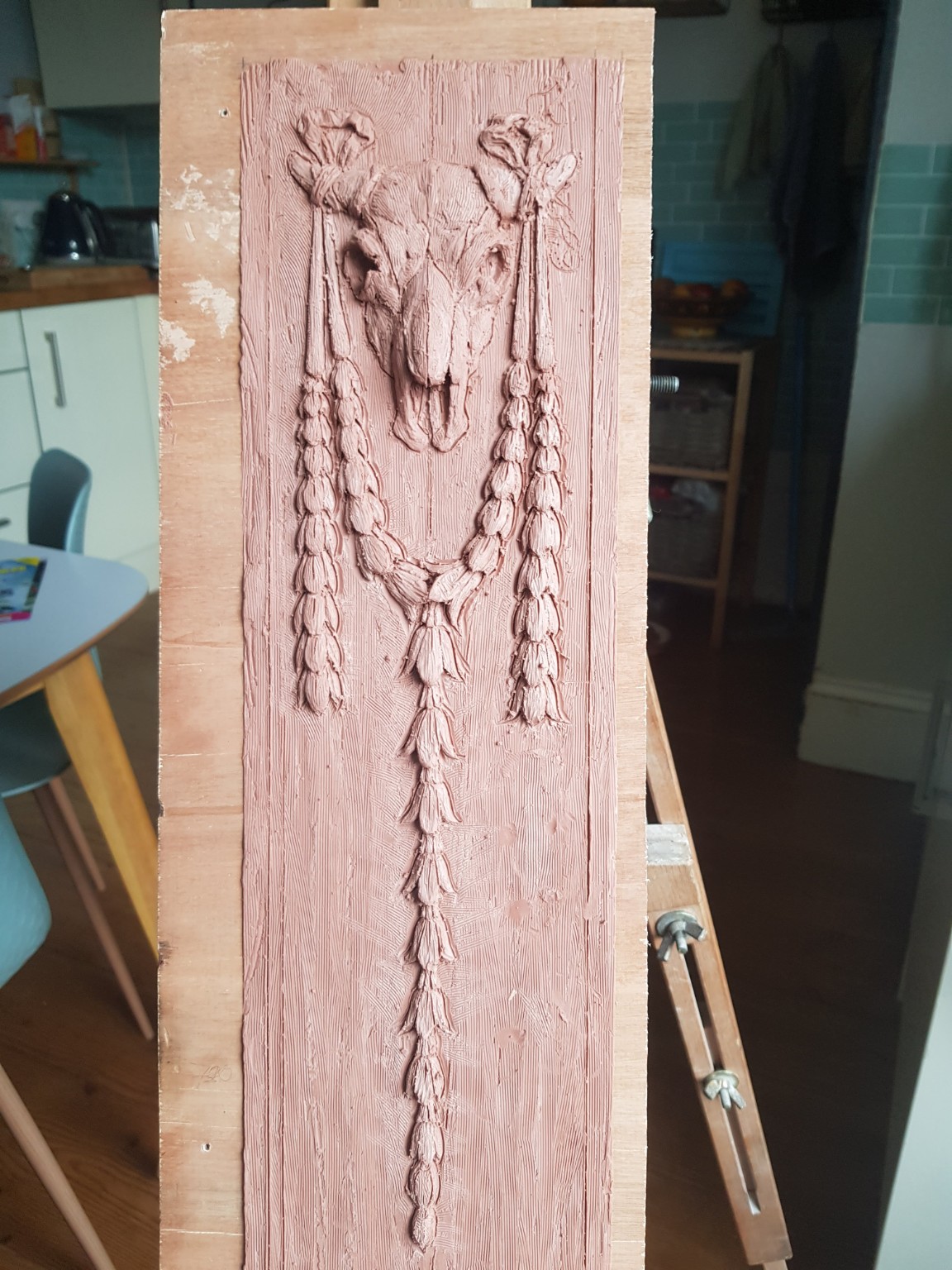
2. Modelling the form
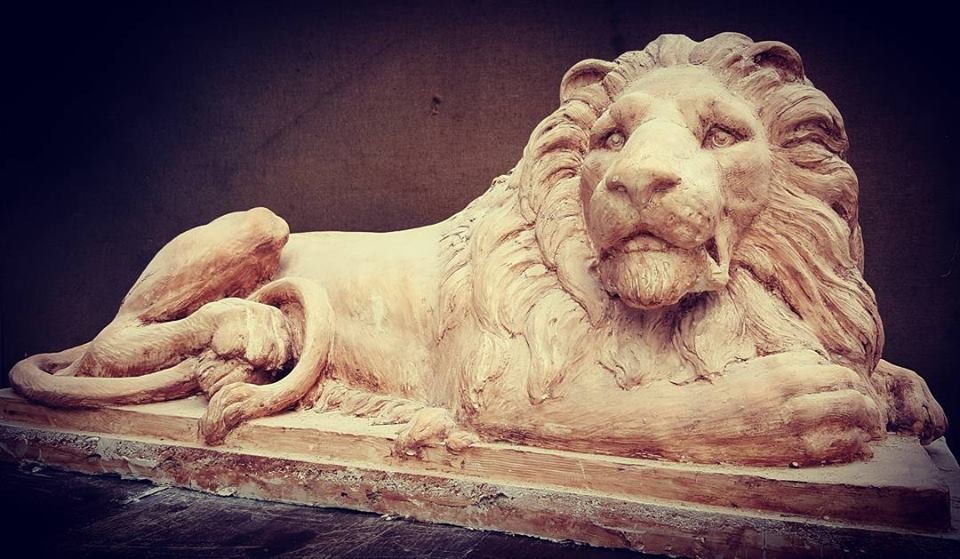
Where useful, a clay model allows the form and detail to be explored before carving. It provides a reference for the work in stone.
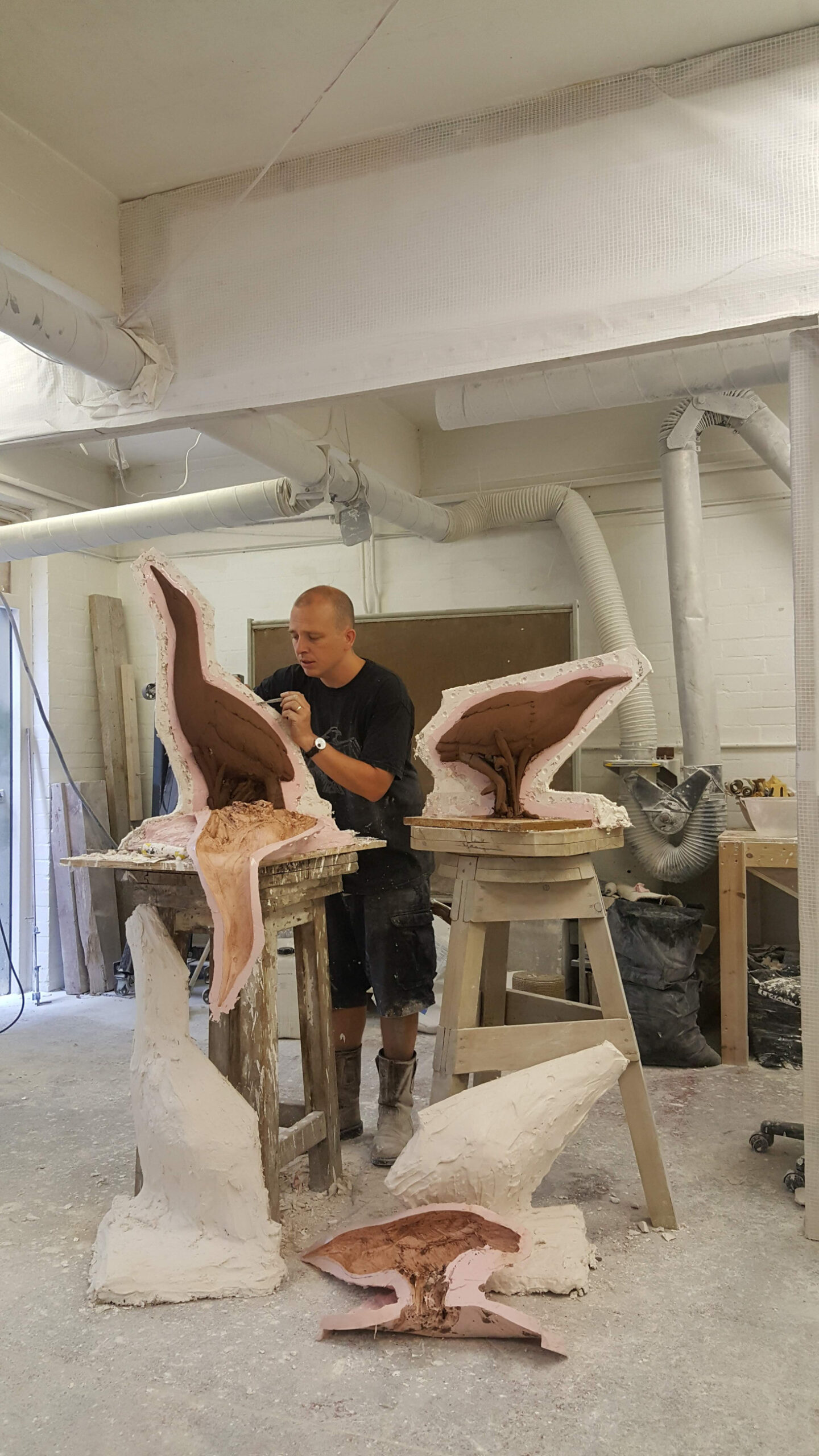
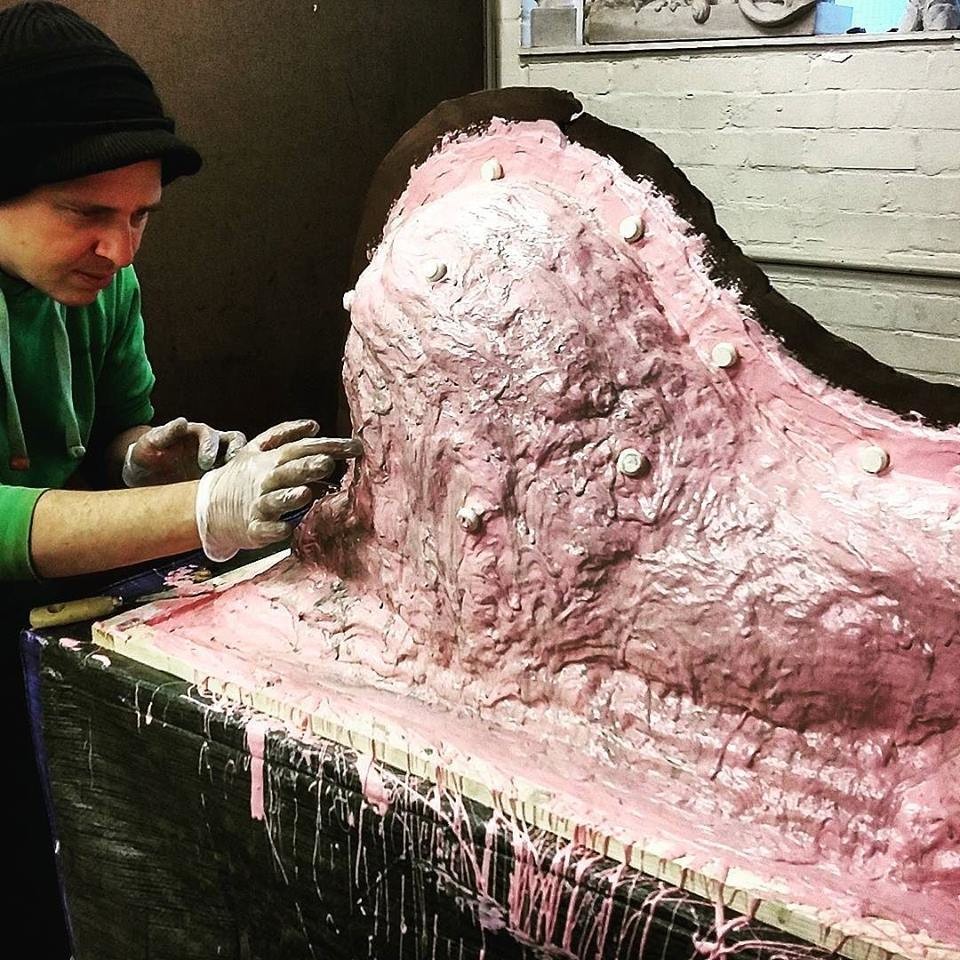
Mould making and casting
A clay model can be moulded and cast in plaster to create a reference model for stone carving. Designs can also be cast in plaster, stone resin or other stone-effect materials. This is one possible stage of a commission; not every carving needs a mould or cast.
3. Carving in stone
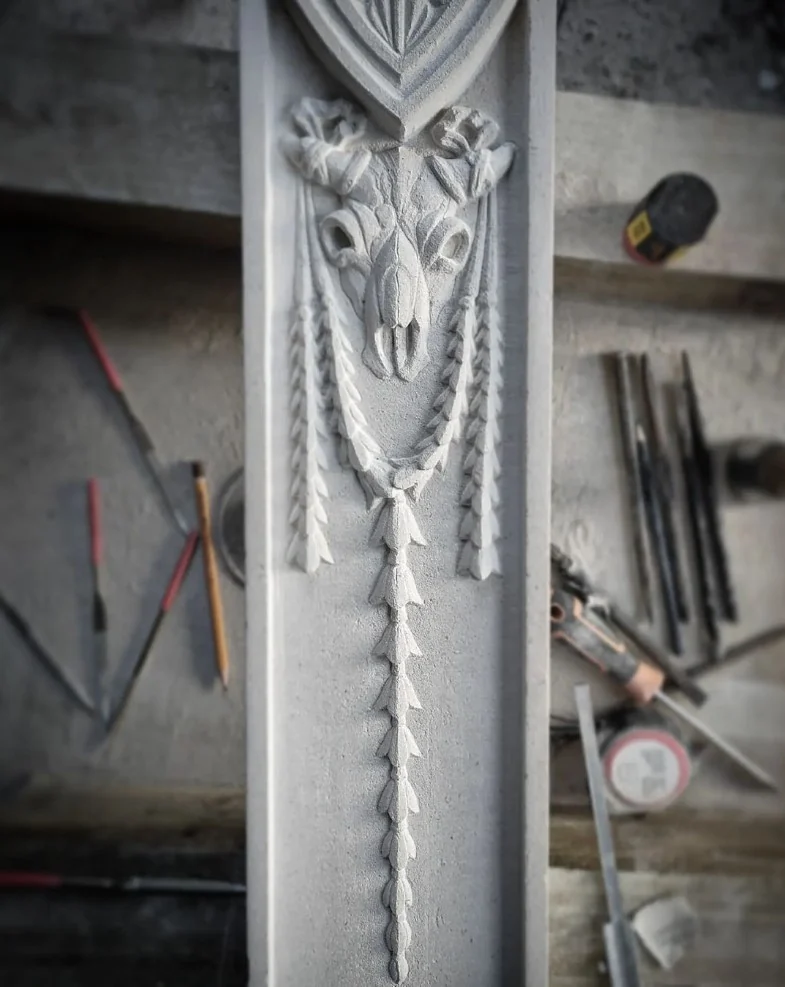
Once the design is agreed, the piece is carved by hand. Progress photographs record its development, from the first cuts to the finer detail.
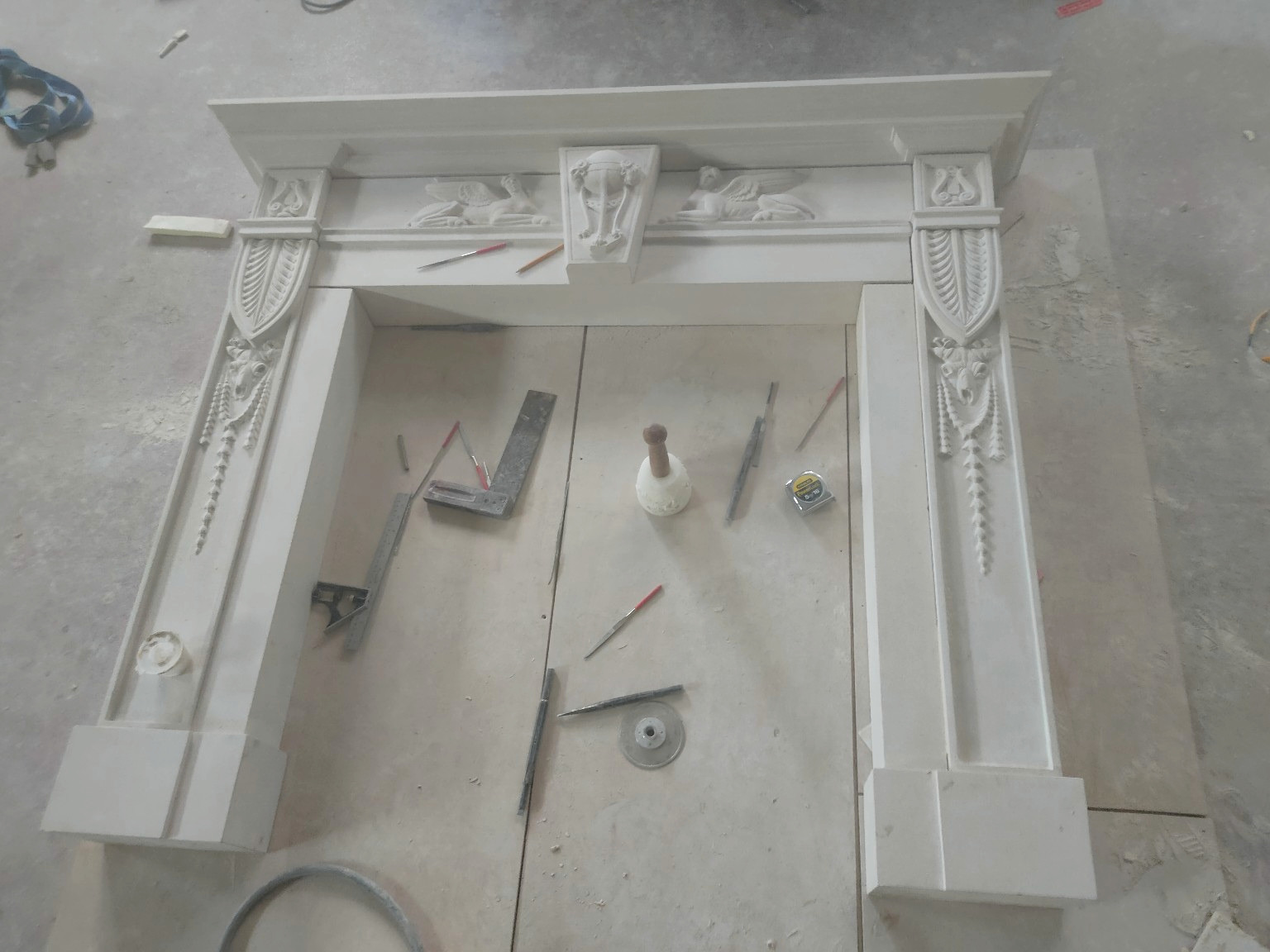
4. Checking the components
For a fireplace or other work made in several parts, the carved components are checked together in the workshop before installation.
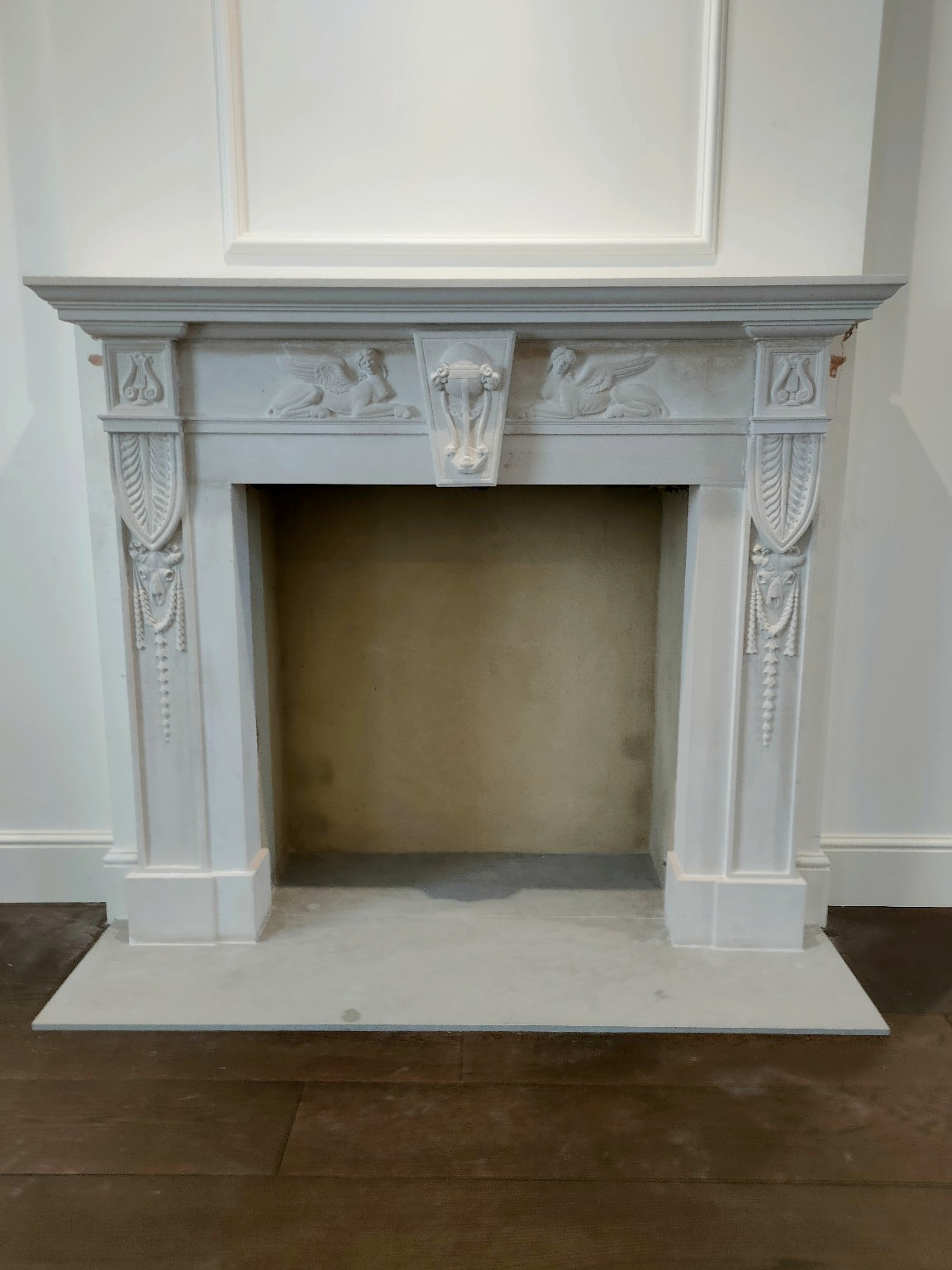
5. The finished setting
Collection, delivery and any installation requirements are discussed as part of the commission. Here, the completed fireplace brings the separately carved elements together in the room it was designed for.
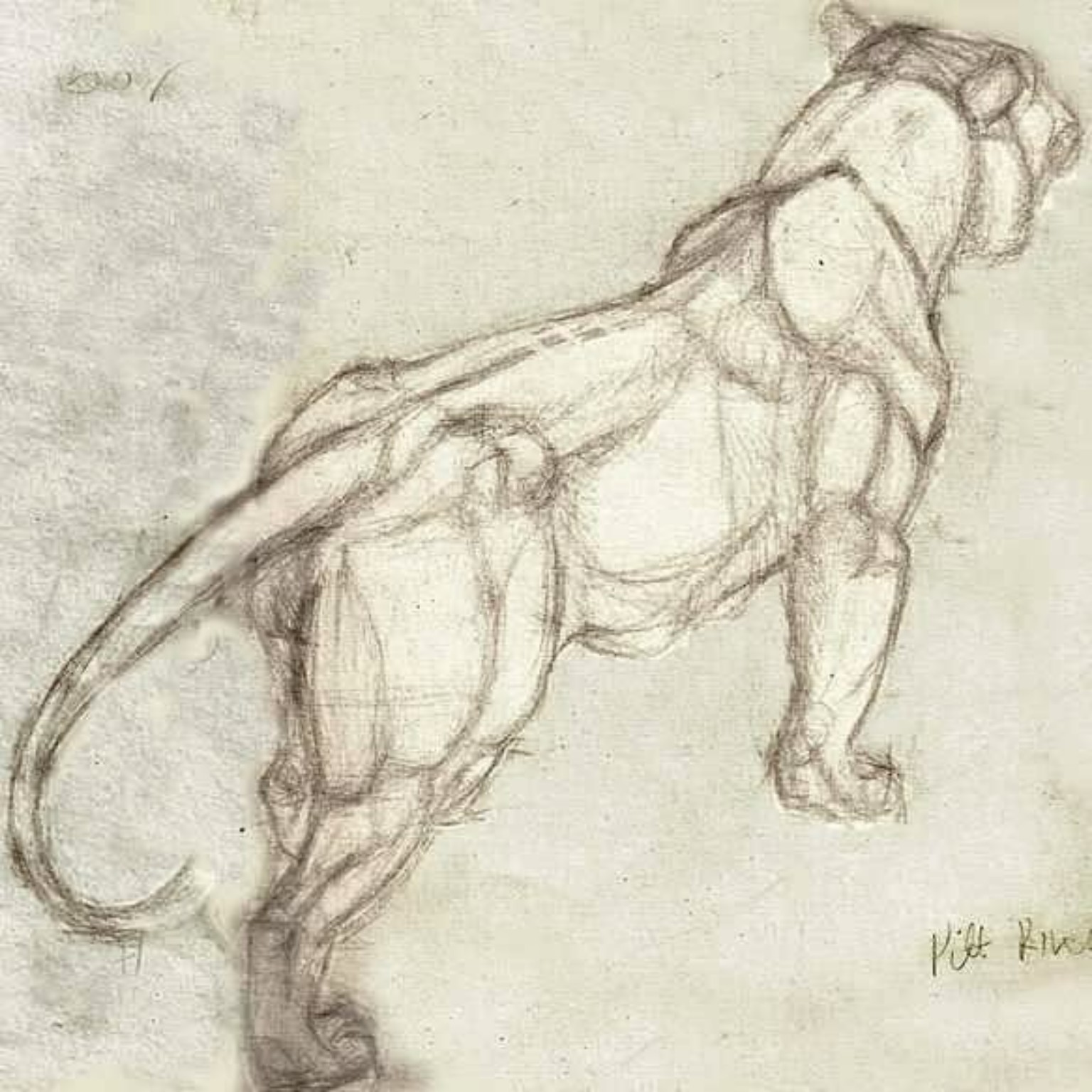
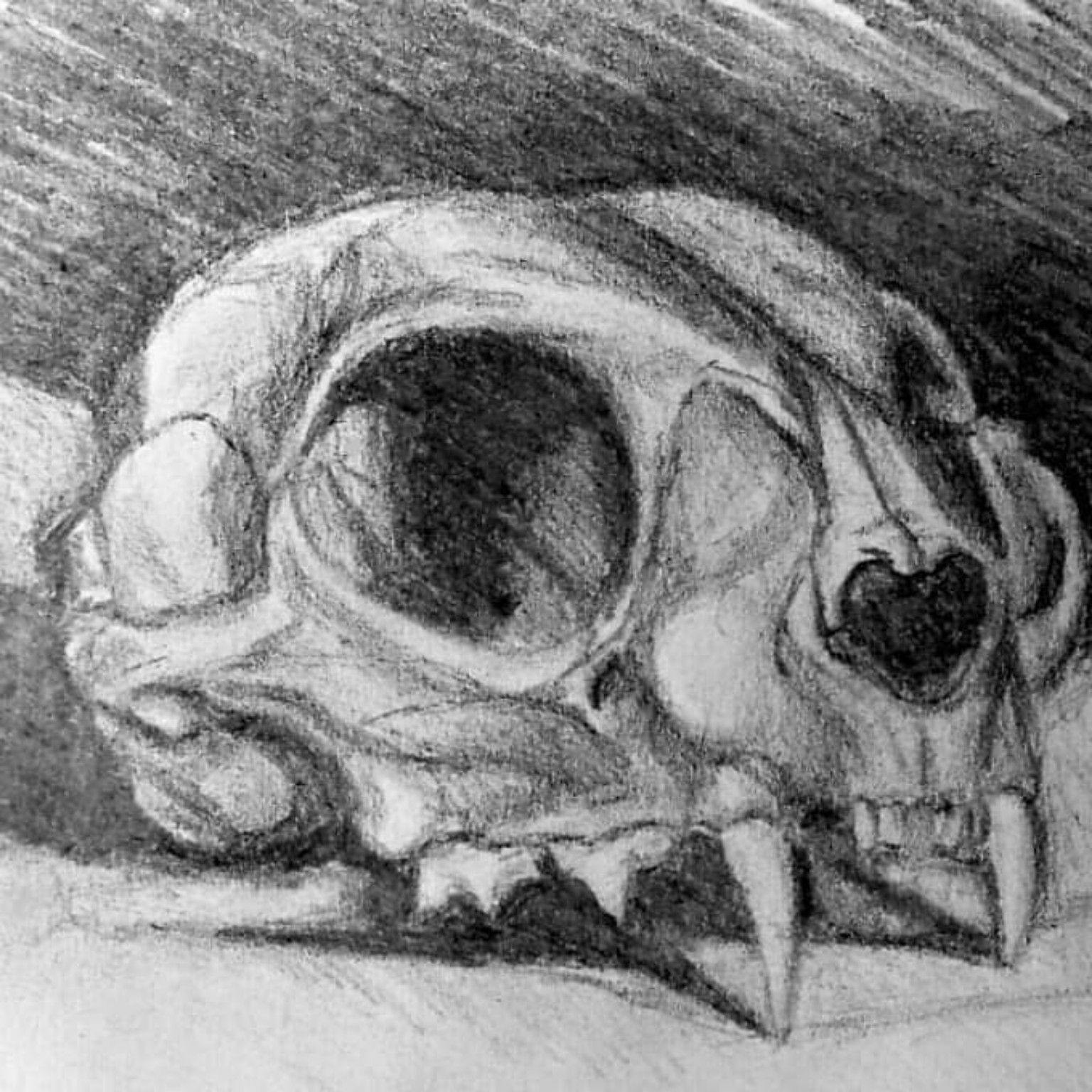
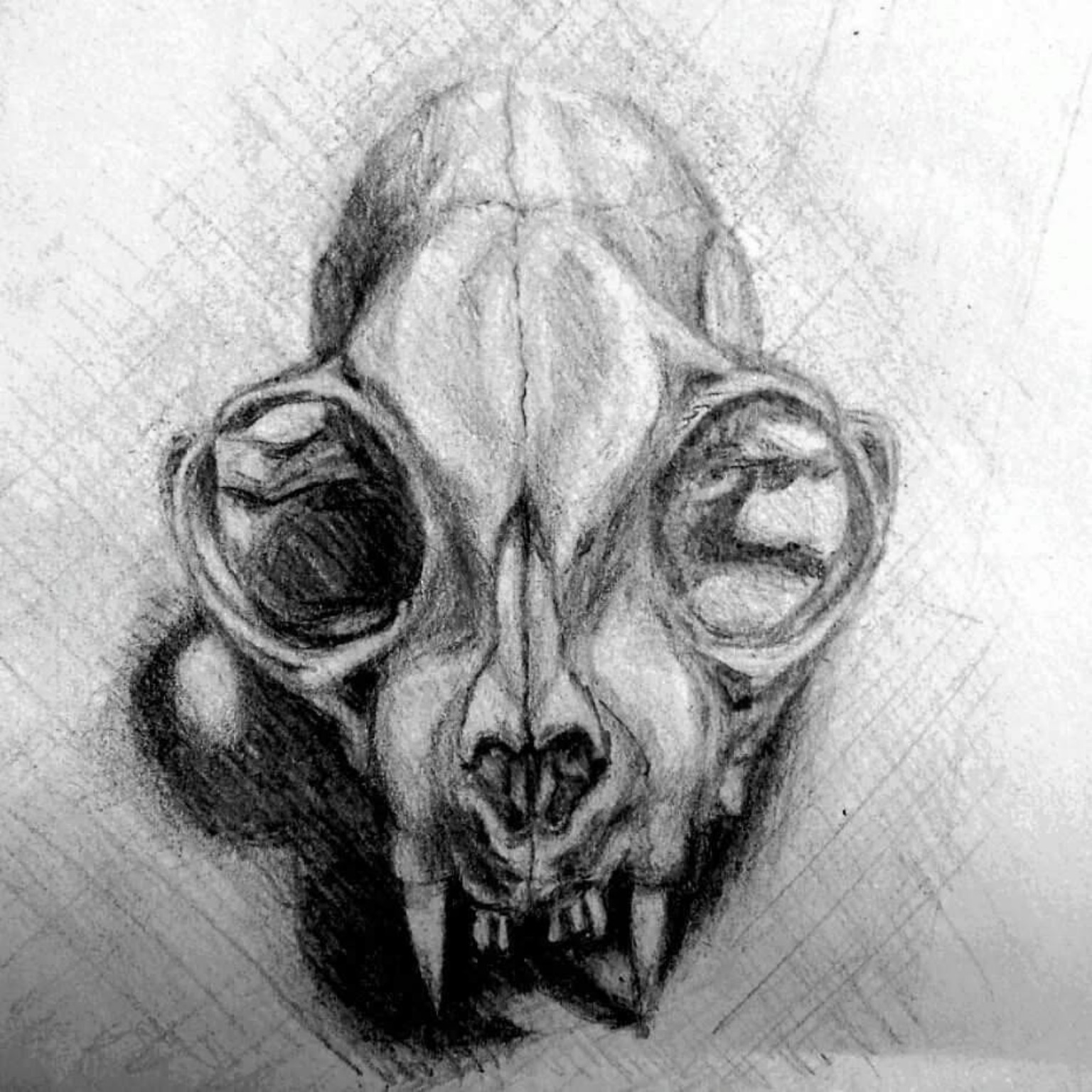
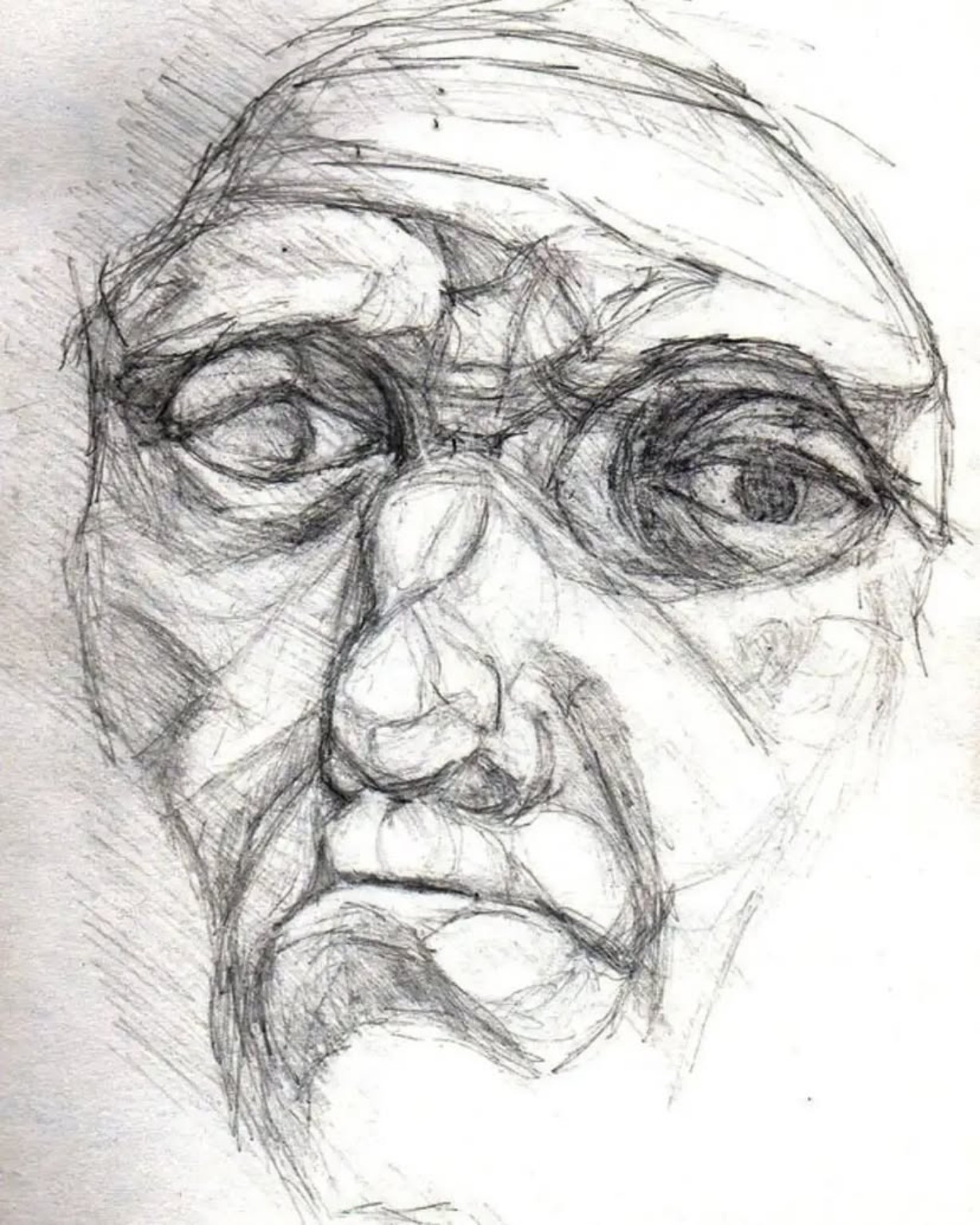
Drawing and observation
Drawing is part of my practice: studying anatomy, structure and expression helps develop an understanding of form. These sketchbook studies show some of that exploration.
From carving bench to finished setting
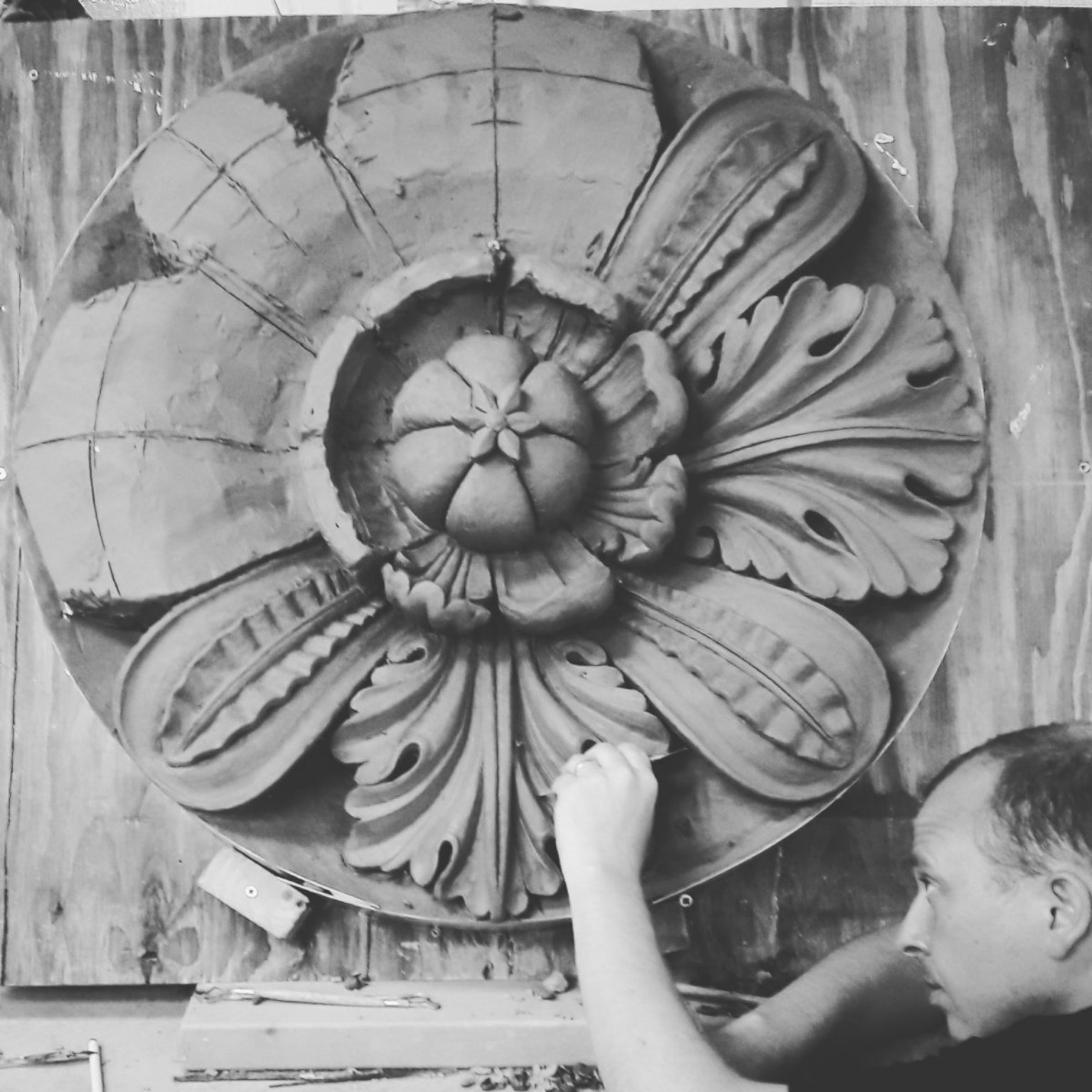
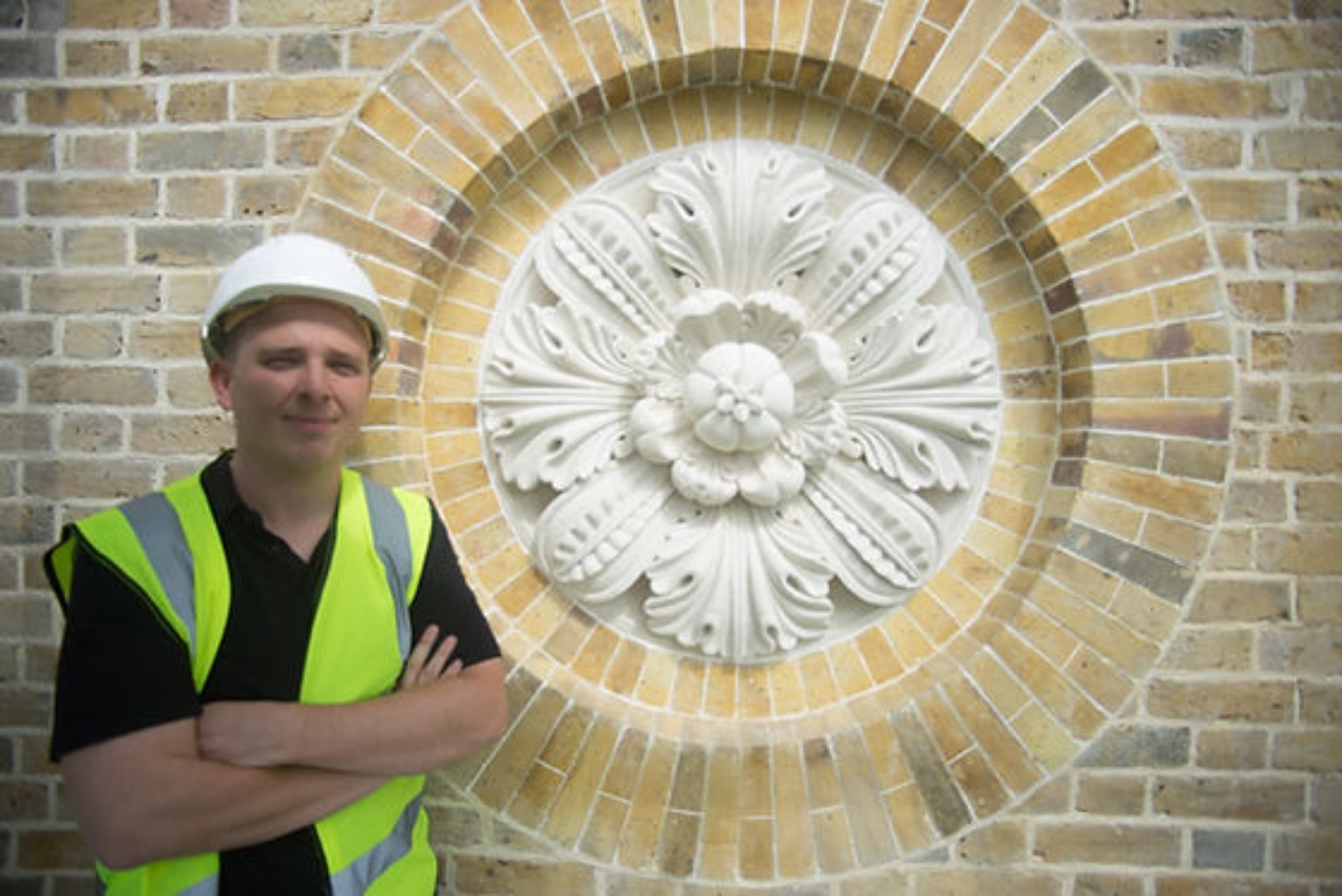
These photographs show me sculpting the clay working model for a floral roundel, followed by the finished stone carving in its architectural setting.
Monumental Recumbent Lion: a photographic diary
From a half-scale clay model to the finished sculpture in Portland stone. These photographs follow my monumental lion commission through modelling, mould making, carving and installation, during my time at London Stone Carving.
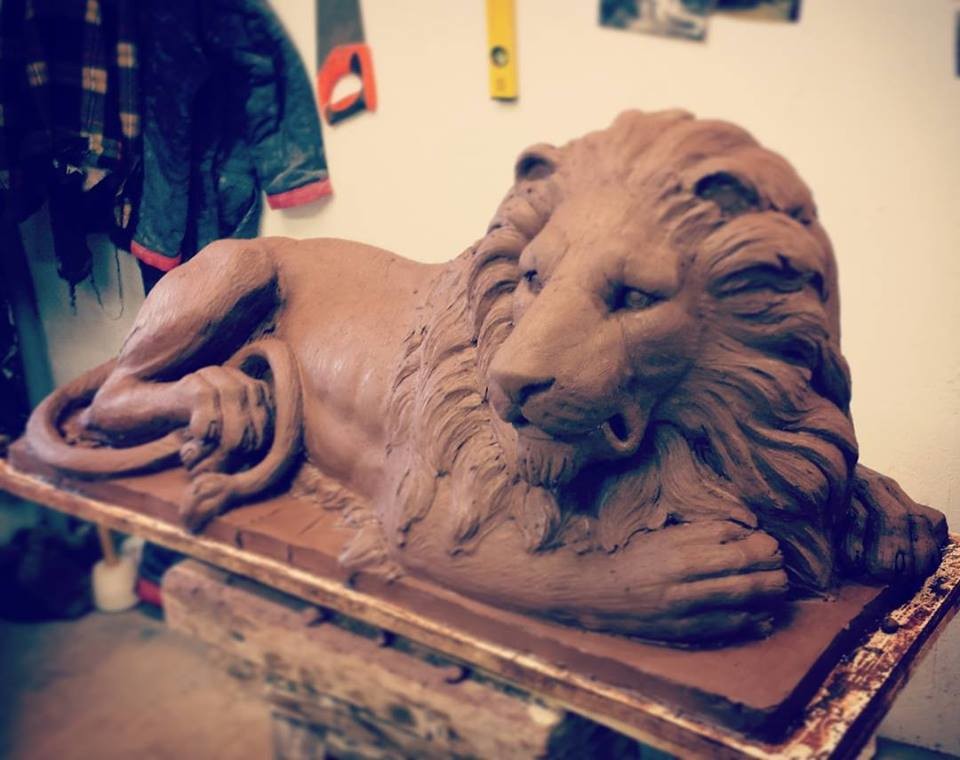
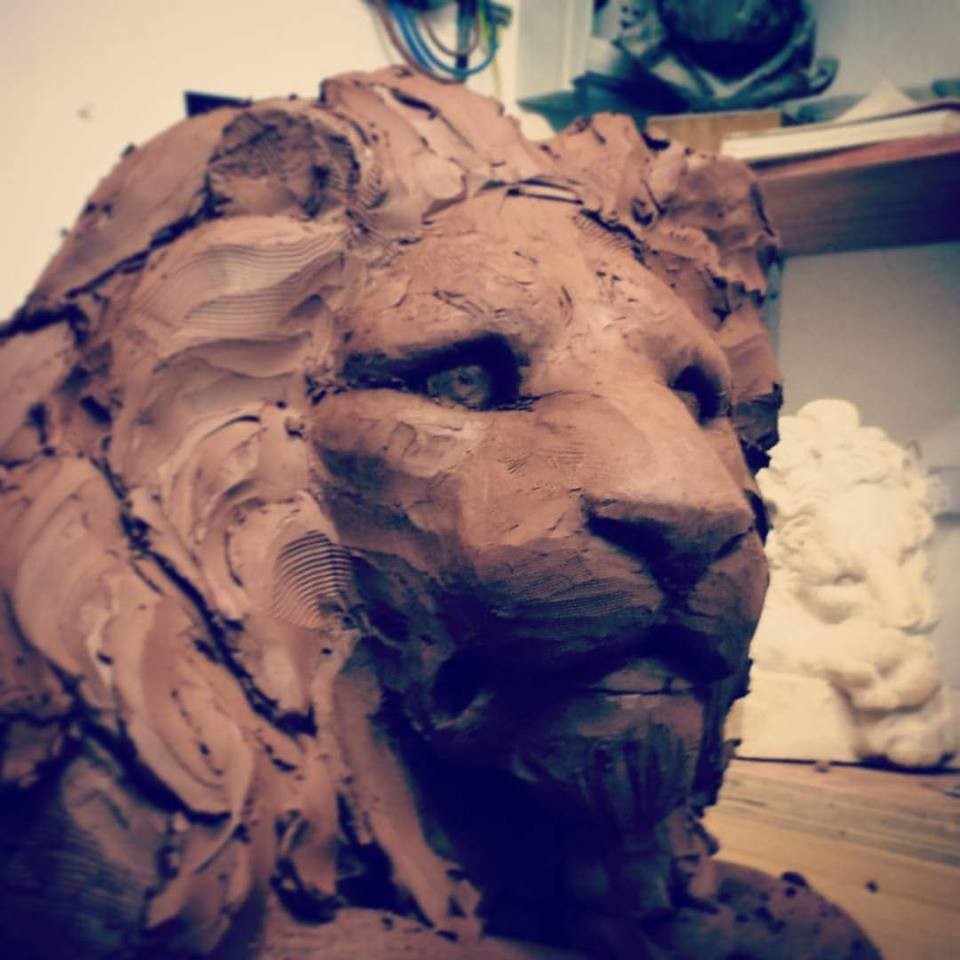
1. The clay maquette
Designing and sculpting the half-scale clay working model, or ‘maquette’.
2. Making the mould
Producing a silicone mould and plaster cast from which to work.
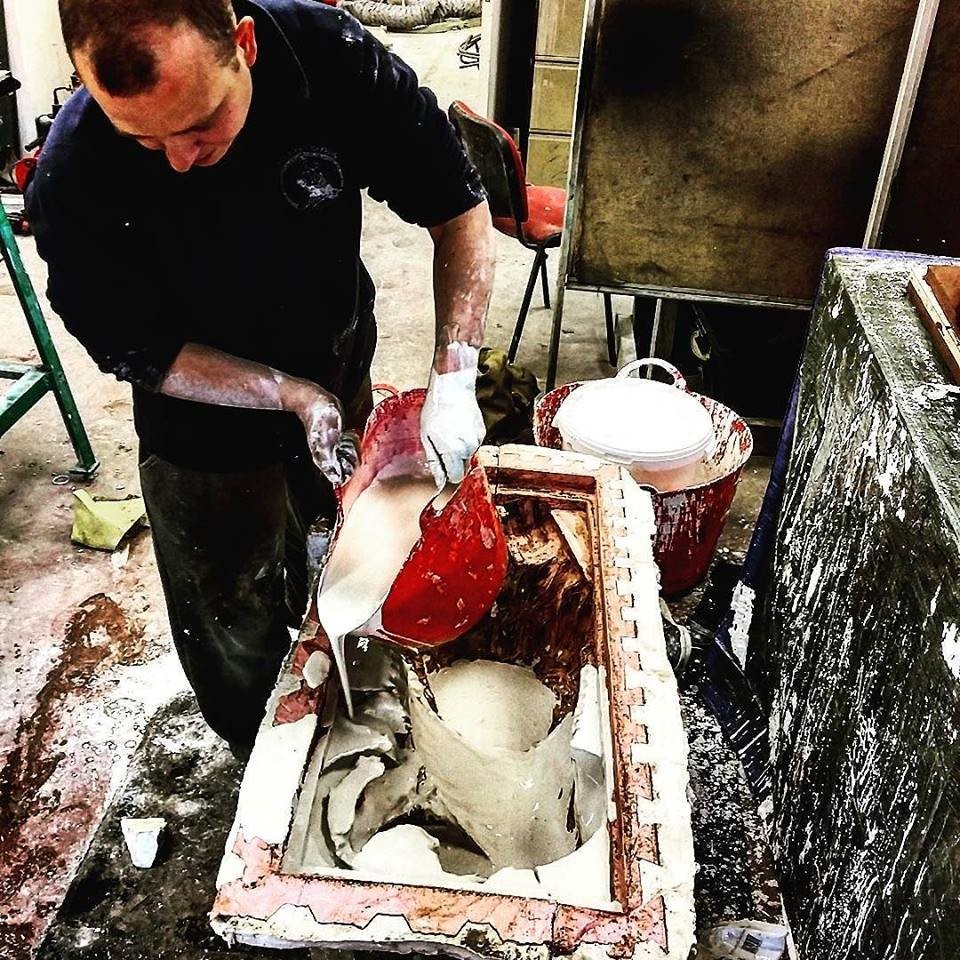
3. The plaster reference model
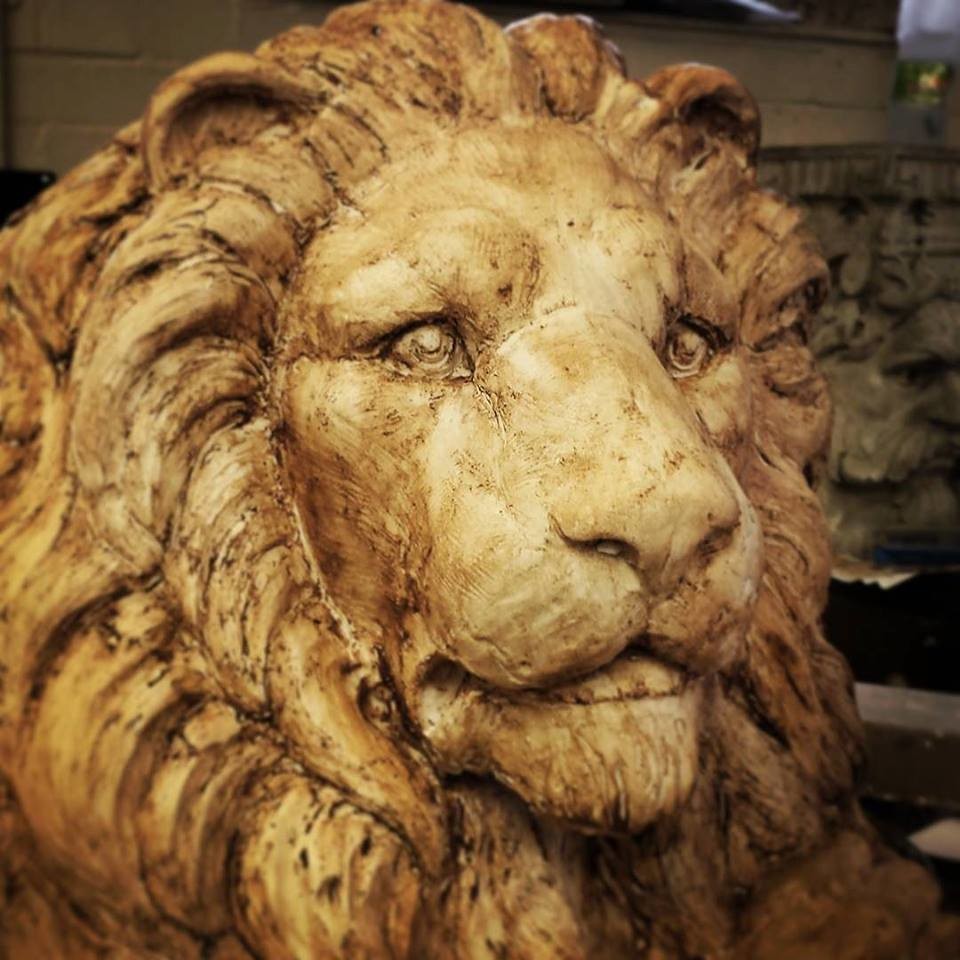
Clay dries and deteriorates, eventually becoming unsuitable for taking measurements. The plaster cast provides a lasting reference for the carving.
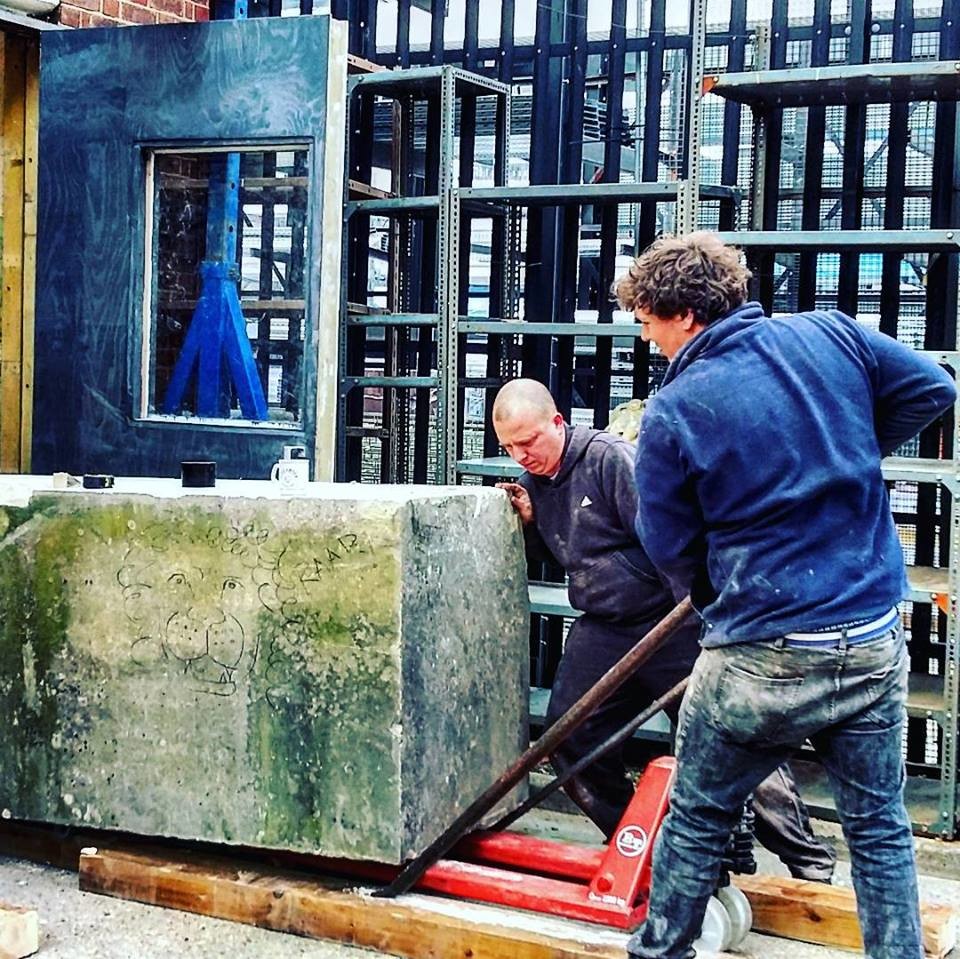
4. Four tonnes of Portland stone
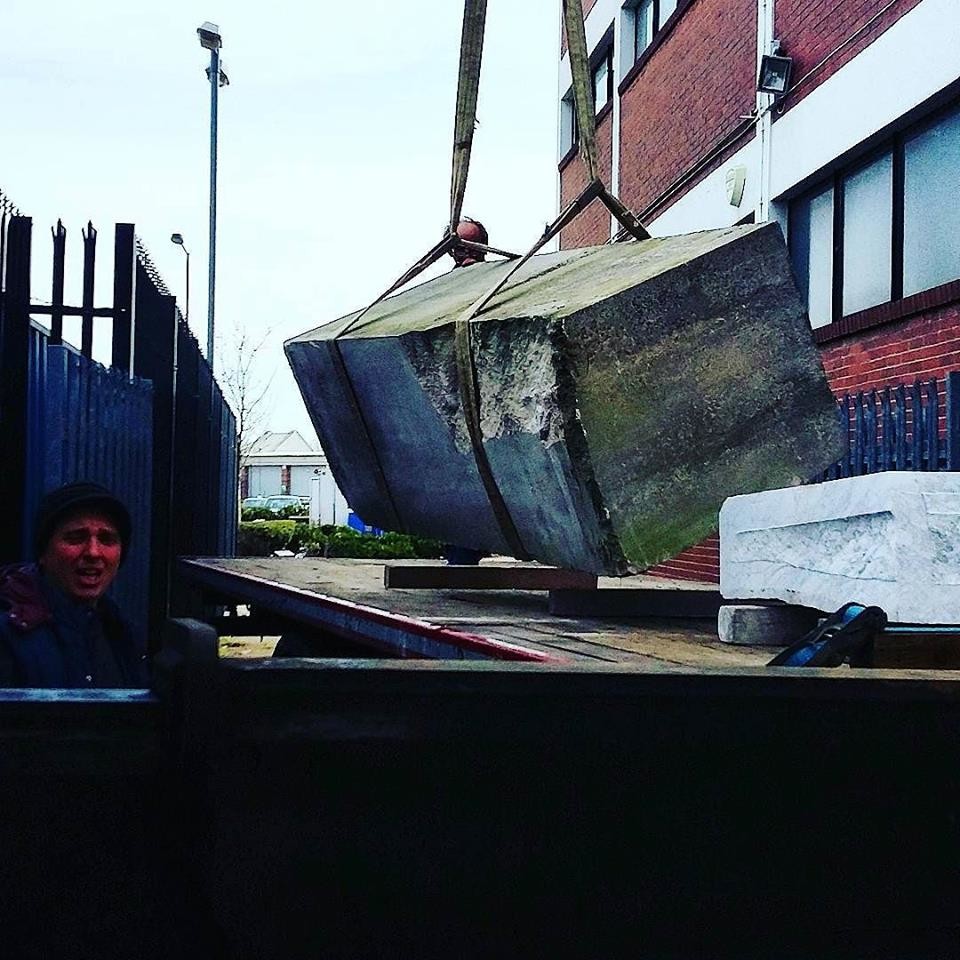
The block of statuary-grade Portland stone arrives, weighing four tonnes, and is manoeuvred into the workshop with crowbars and rollers.
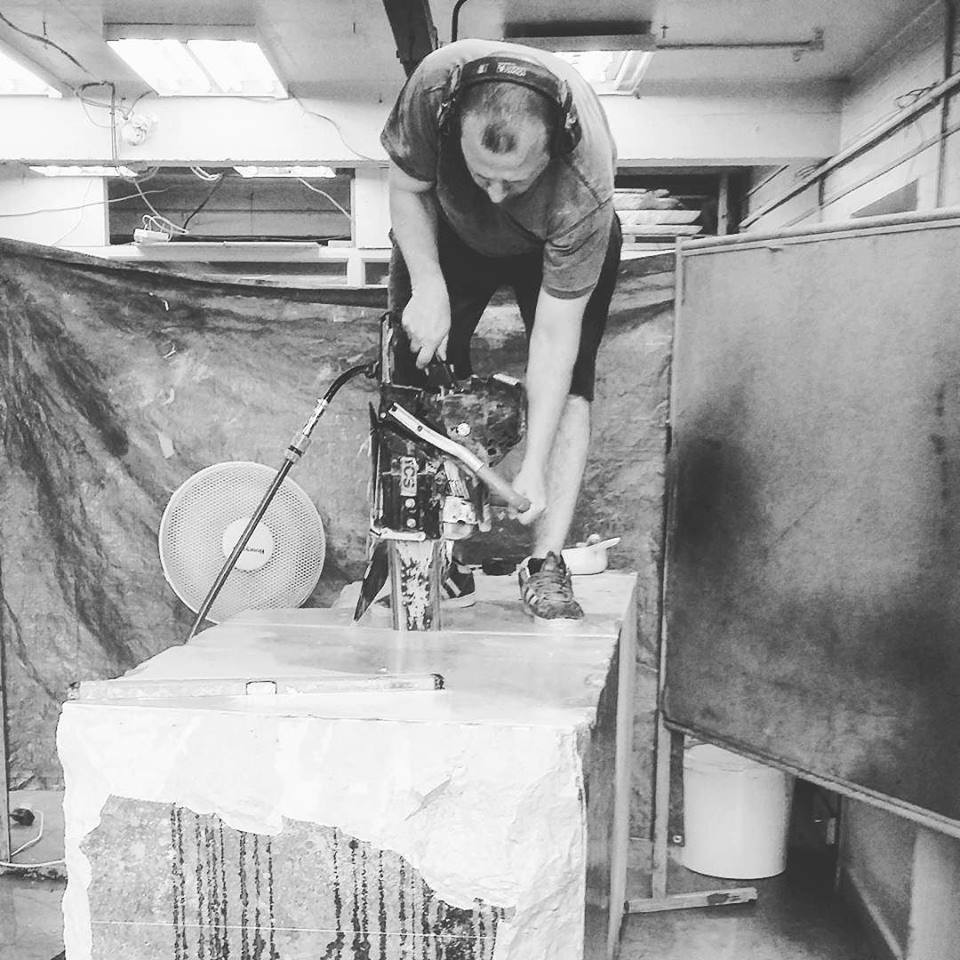
5. The first cuts
Work begins with the stone chainsaw and splitters to remove the largest sections.
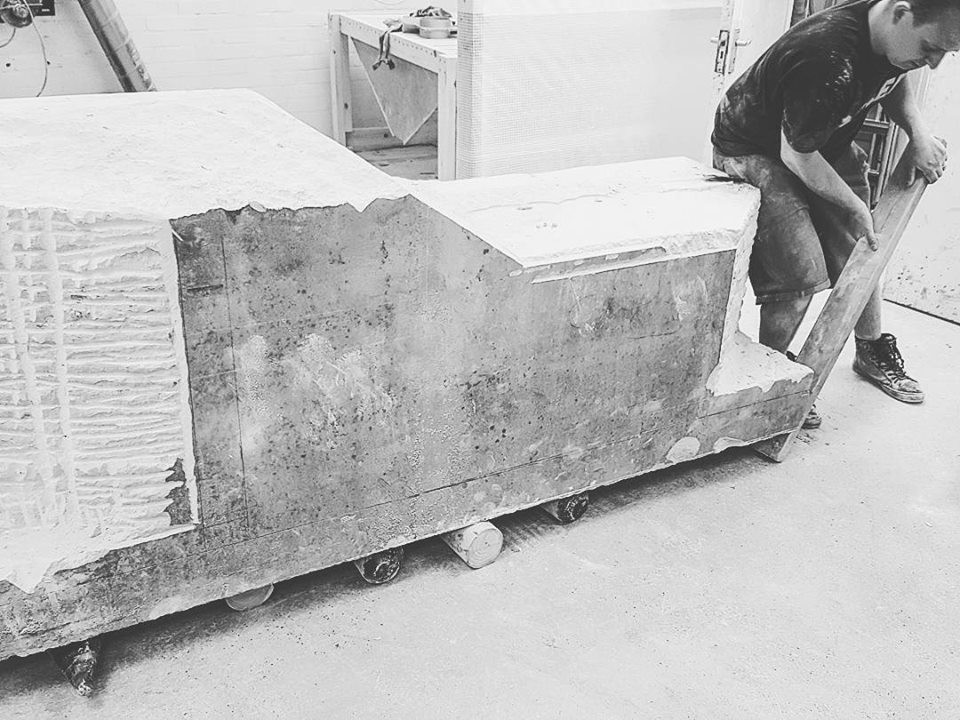
6. Establishing the angles
Outside the workshop, grinders are used to work out the angles.
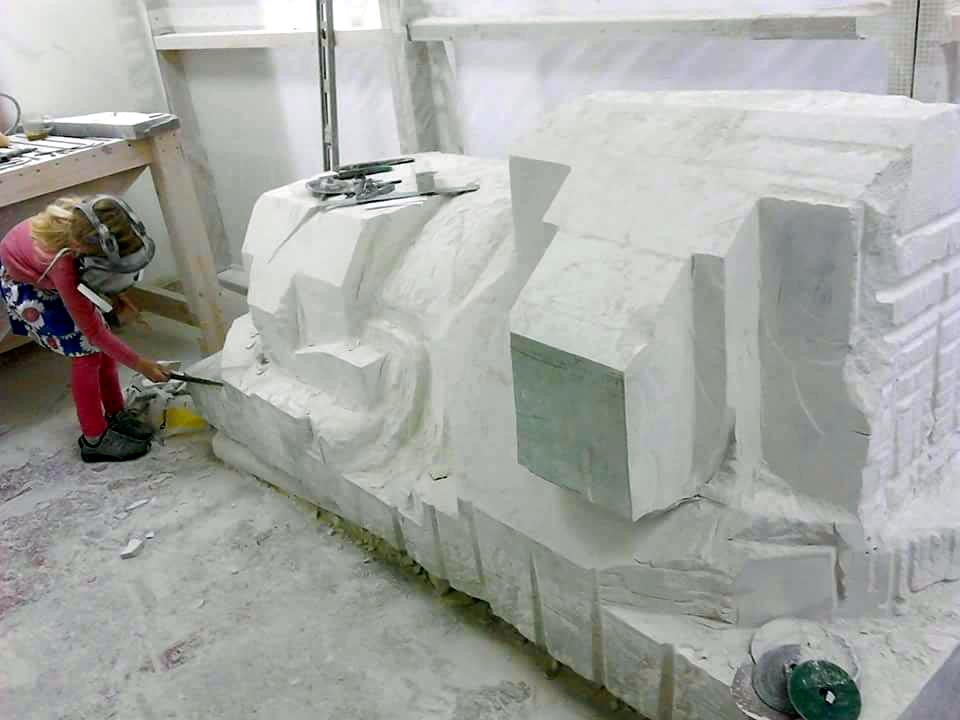
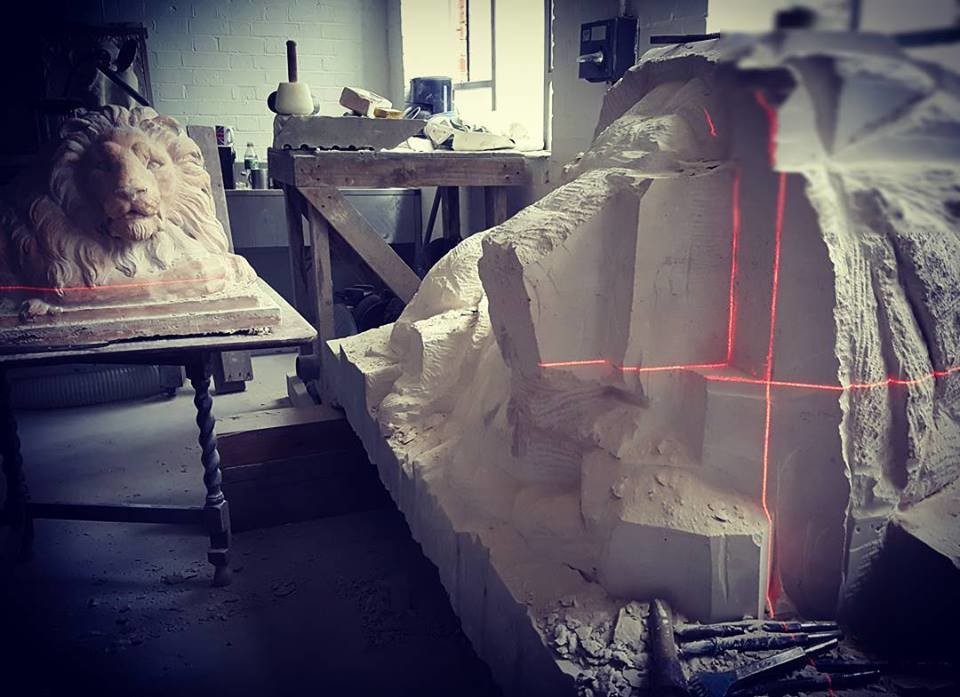
7. Roughing out the form
Air tools are used to rough out the lion’s form.
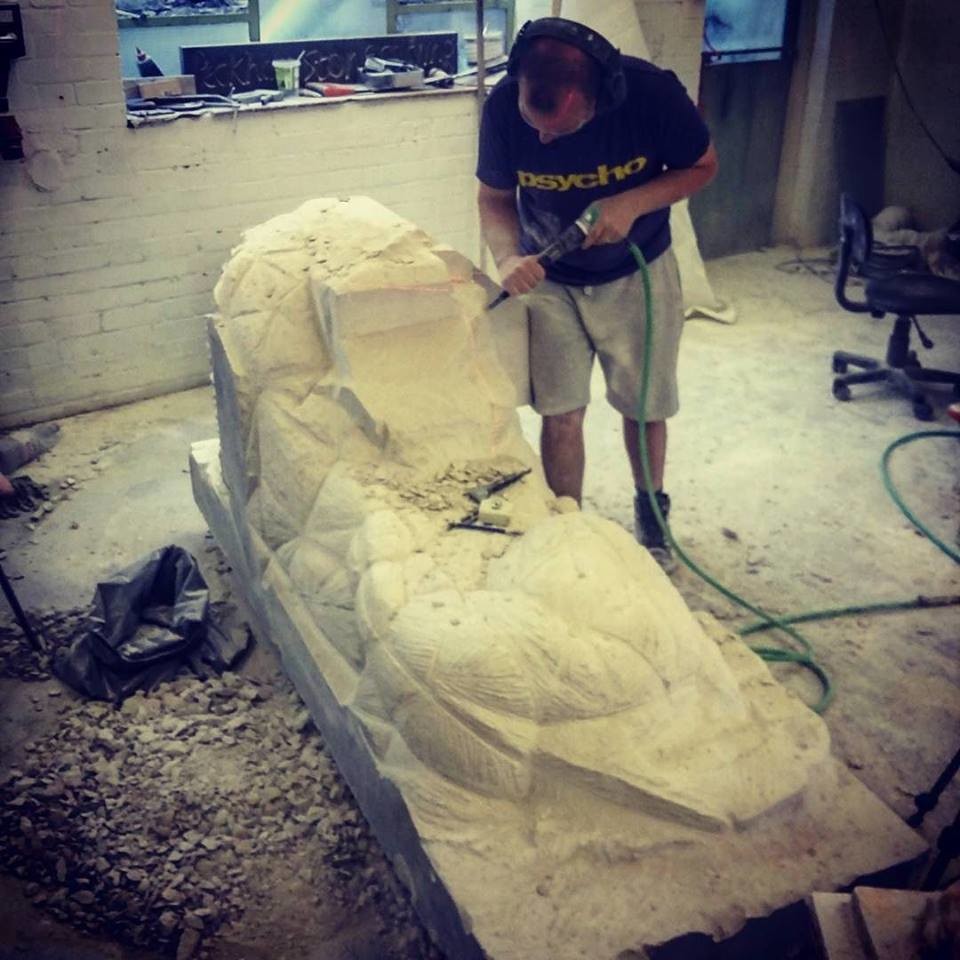
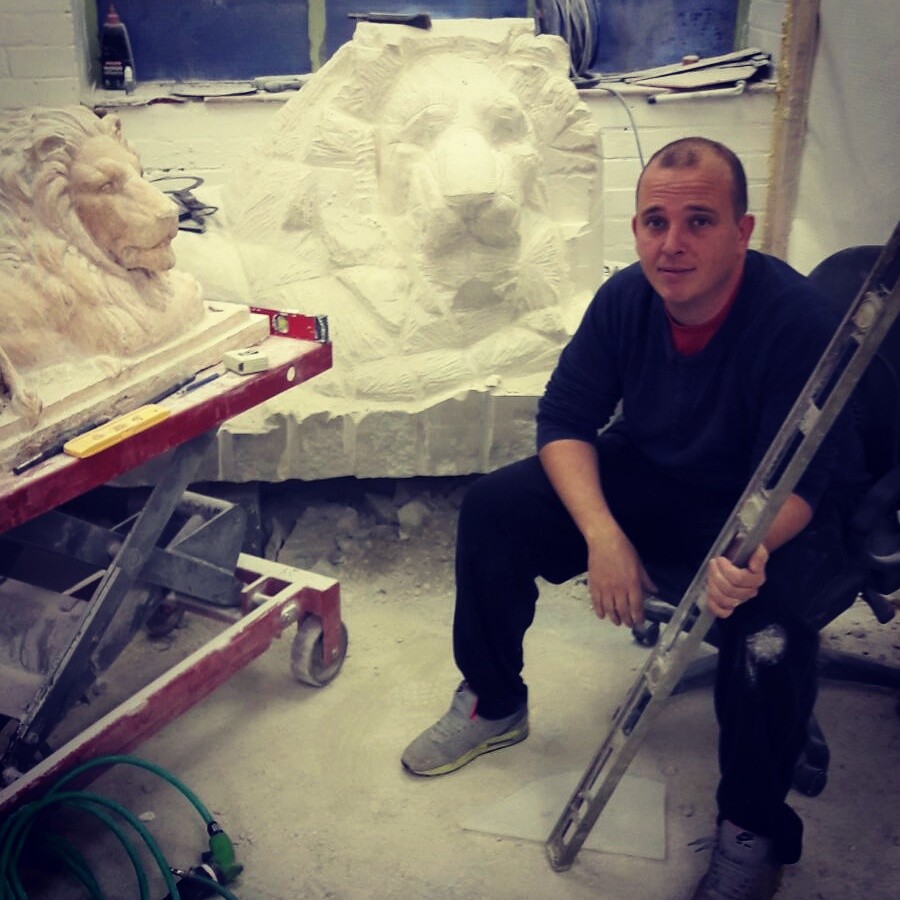
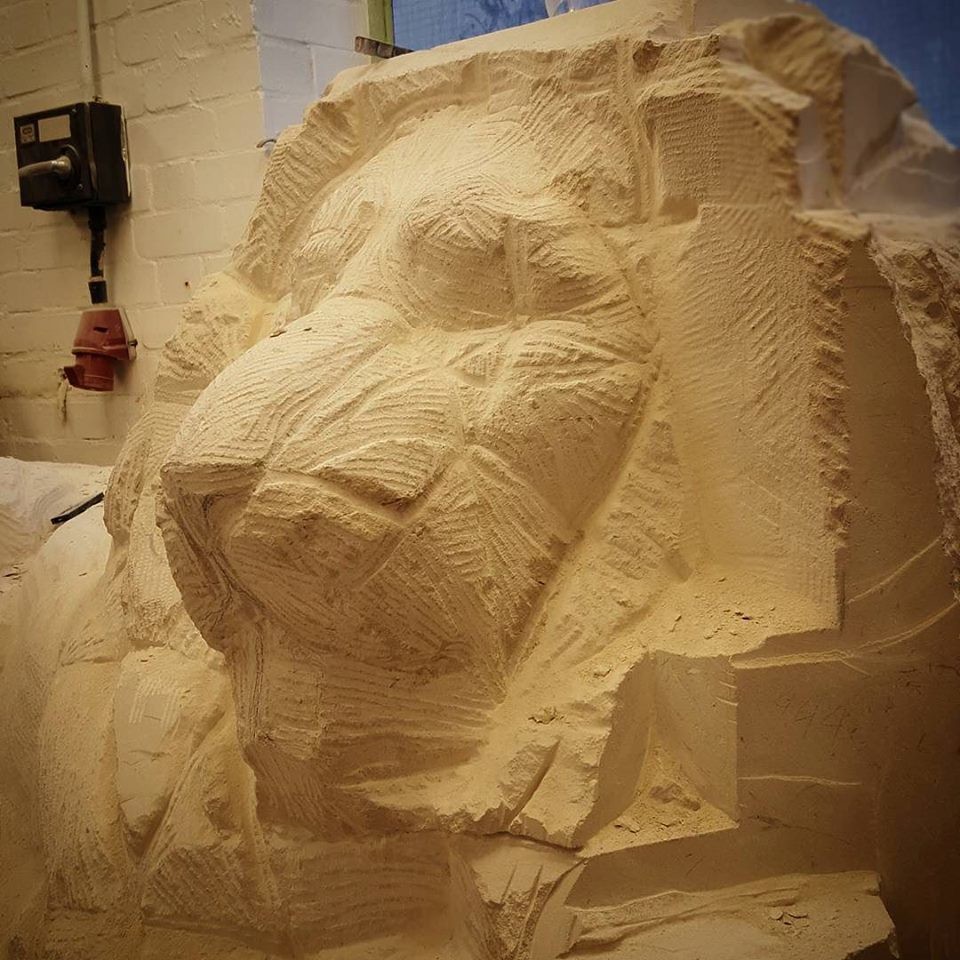
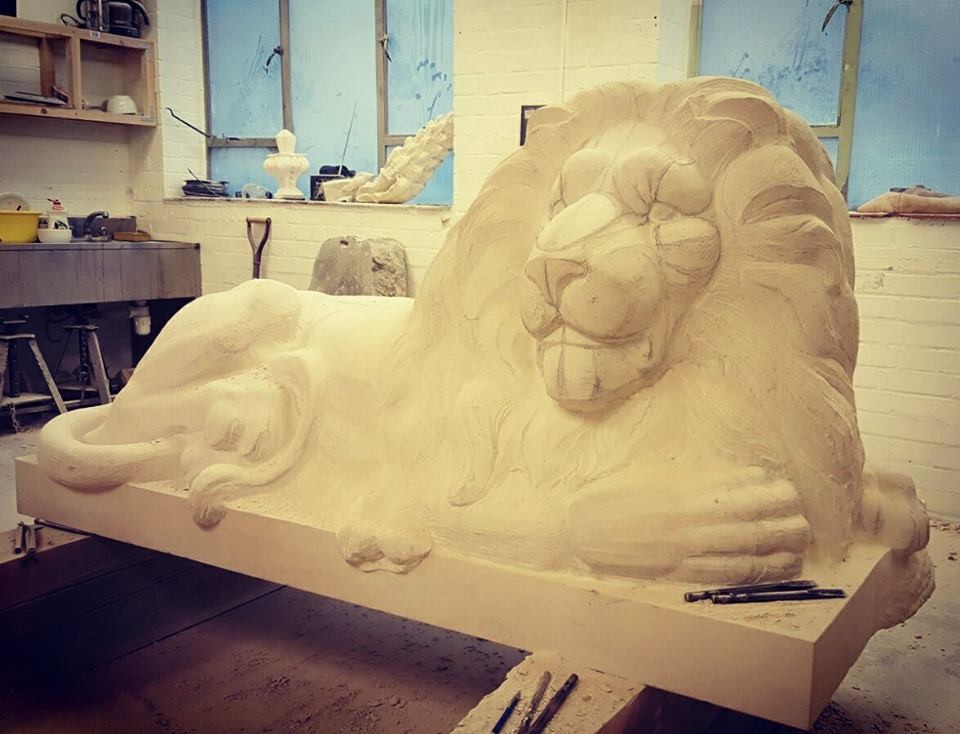
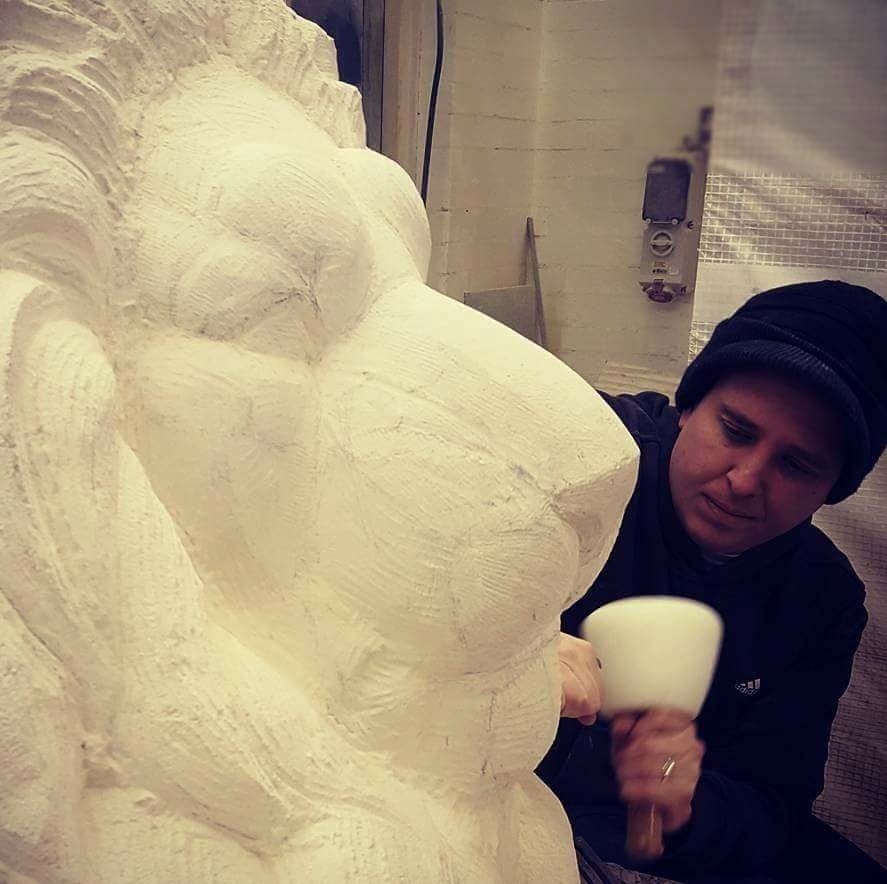
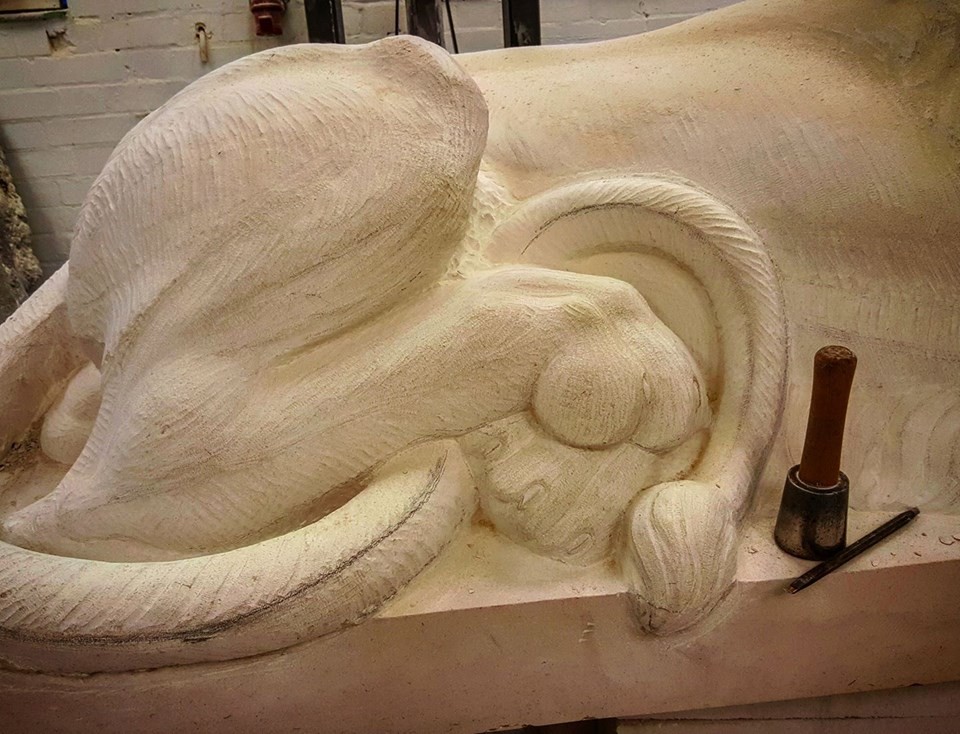
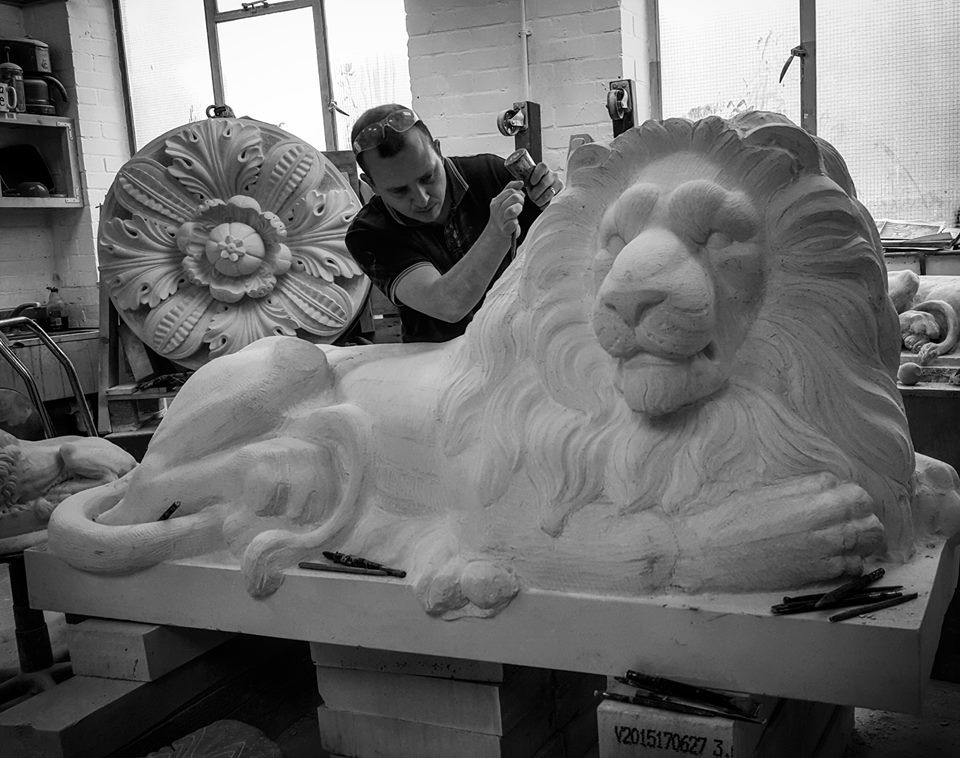
8. Carving the detail
Moving on to hand tools to develop the detail. Features are drawn onto the stone and carved away as the work progresses.
9. The finished lion
Finally, the lion is delivered to his plinth and his new home, to become part of its future and history.
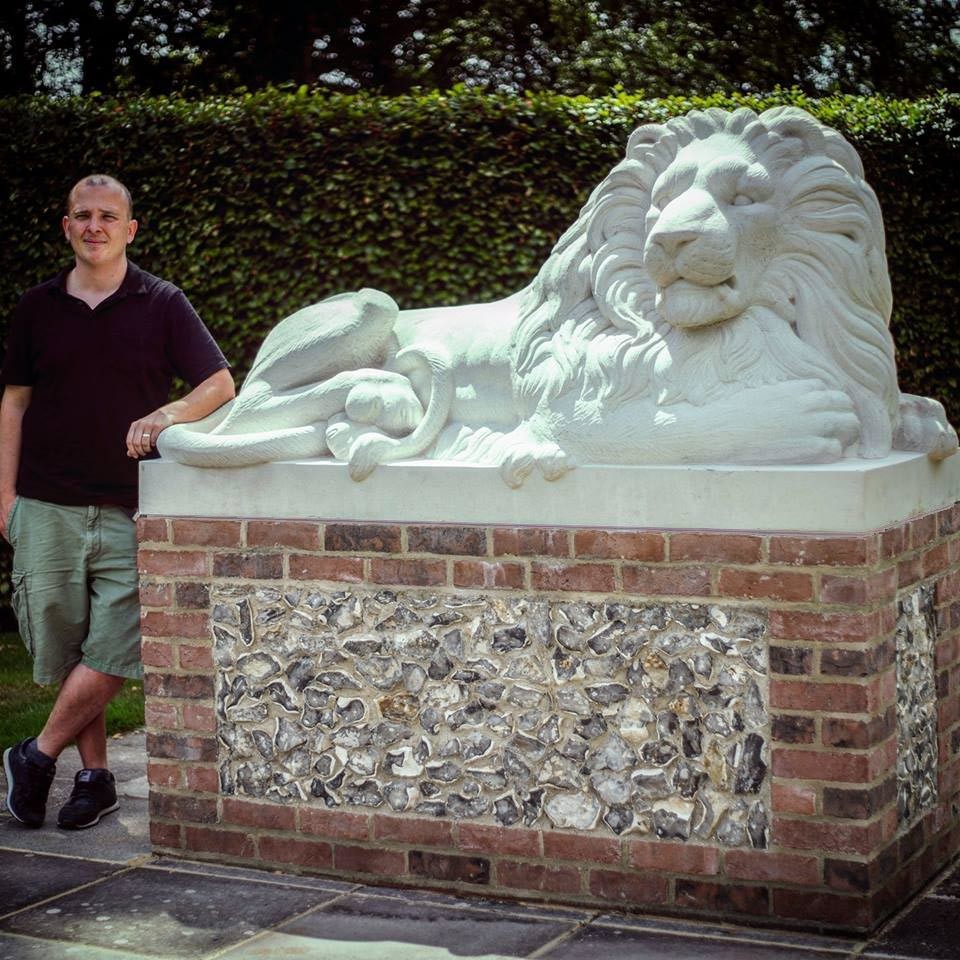
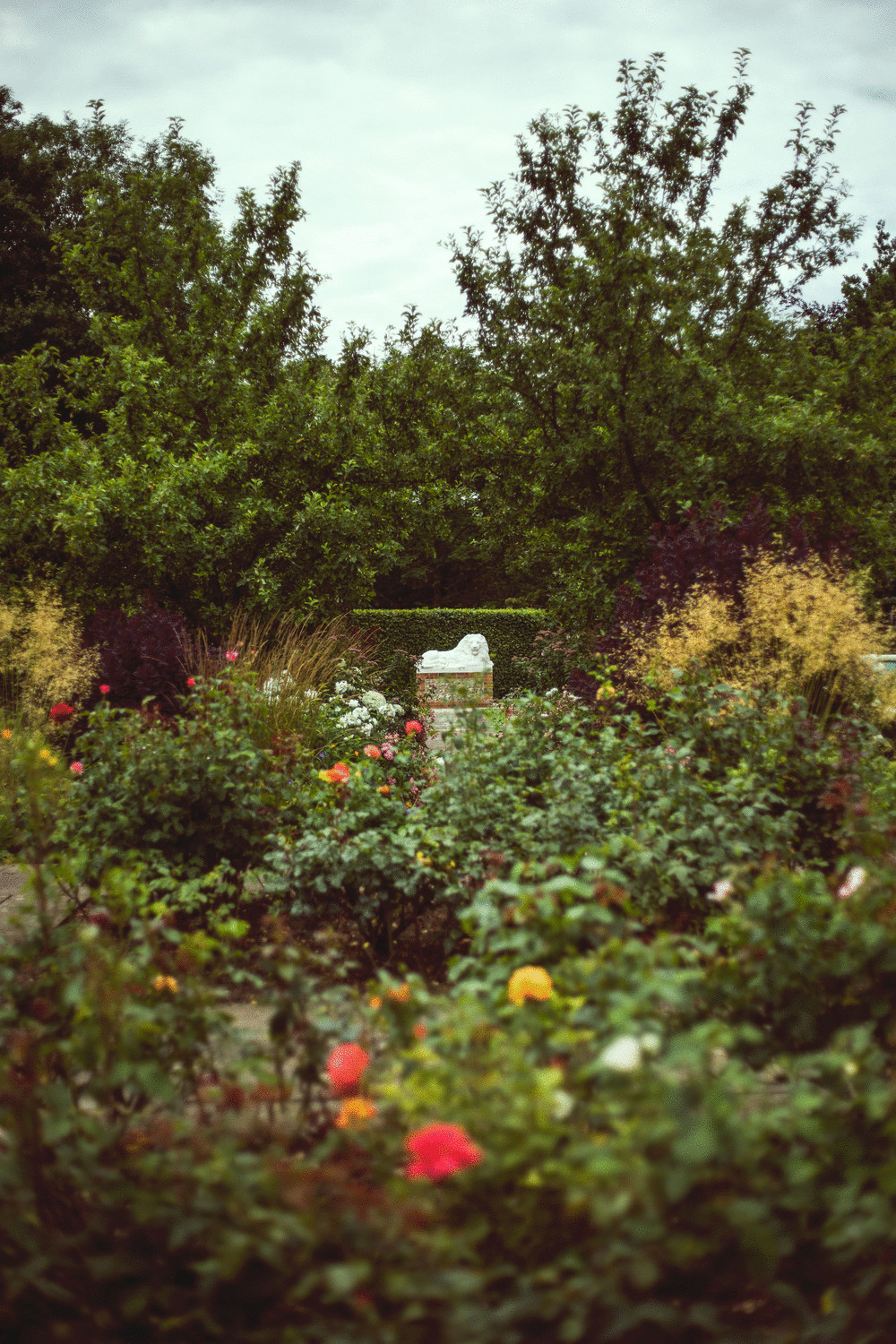
Photographic diary originally published by London Stone Carving on LinkedIn, 11 August 2017.
Have something in mind?
You do not need a finished design to get in touch. Email Tom or message on WhatsApp to talk through your idea.